Lingjiatan Site
Introduction
The Lingjiatan site is a significant Neolithic archaeological site located in Hanshan county, Ma'anshan city, Anhui province. This site, dating back approximately 5,300 to 5,800 years, has been recognized for its rich cultural and historical value, offering insights into early Chinese civilization. It is notable for its wealth of jade artifacts and is often described as a mysterious ancient "kingdom" of jade on the east bank of Chaohu, China's fifth-largest freshwater lake. The site came into prominence due to its antiquity and the exquisite craftsmanship of the artifacts unearthed. Lingjiatan culture is celebrated for its intricate jade work, which holds a crucial place in Chinese cultural heritage, symbolizing harmony and peace.
History
Discovery
The Lingjiatan site was first discovered in 1985, marking a pivotal moment in archaeological research in China. The initial discovery unveiled a treasure trove of ancient artifacts that captivated archaeologists and historians alike. This site has remained a focal point of research due to its extensive collection of jade and other relics that provide a window into the life and society of early Chinese civilizations. The discovery in 1985 initiated a series of excavations that have continued to reveal the site's historical significance.
Excavation
Excavations at Lingjiatan have been conducted in phases, with significant digs occurring from 2020 to 2022. These excavations have uncovered a variety of artifacts, including the largest stone axe head (yue) and the largest jade ornament called huang. Two ash pits of burned soil were also discovered, indicating ceremonial practices. These findings have supplied archaeologists with substantial material for studying the origins and development of Chinese civilization.
Archaeological Significance
Cultural Impact
Lingjiatan is considered a cultural beacon due to the extensive range of jade artifacts unearthed at the site. Jade holds significant cultural value in Chinese tradition, symbolizing harmony and societal values. The craftsmanship of the jade objects from Lingjiatan offers insights into the technological and artistic advancements of the period. These artifacts reflect the spiritual and ritualistic practices of the people, illustrating their connection with the natural world and their profound spiritual beliefs. The discovery of jade eagles and sun-like designs suggests a reverence for celestial deities and a complex belief system.
Artifacts Found
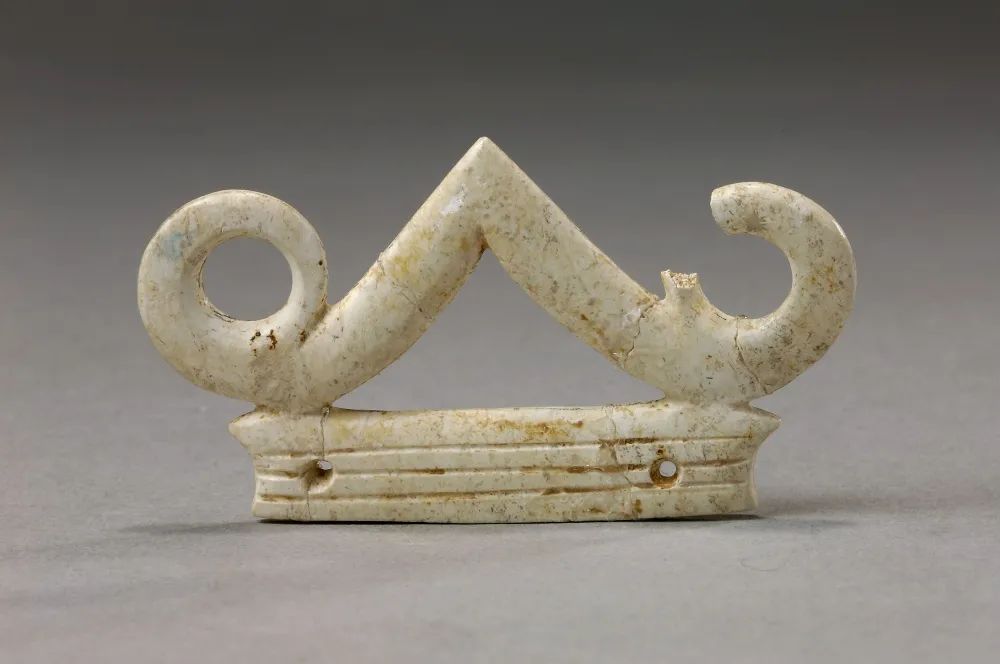
Over 1,200 jade artifacts have been excavated from Lingjiatan, including ceremonial items like the bi and huang. The site is renowned for its exquisite jade work, with items ranging from ornaments to tools, each displaying remarkable craftsmanship. The jade artifacts are not only beautiful but also provide valuable information about the technological capabilities and artistic sensibilities of the Lingjiatan people. The presence of large jade pieces suggests a society with social stratification and a ceremonial system, as these artifacts were likely used in religious or state rituals.
Preservation Efforts
Efforts to preserve the Lingjiatan site have been ongoing to protect its historical and cultural legacy. Various strategies have been implemented to ensure the site's protection, including limiting excavation activities to prevent damage to the remaining artifacts and structures. The local and national governments, along with archaeological institutions, have been involved in creating preservation plans that include site security, controlled access, and continuous monitoring to prevent deterioration caused by natural and human factors. These efforts are crucial for maintaining the integrity of the site for future research and public education.
Educational programs have been developed to enhance public understanding of the Lingjiatan site and its significance. These programs aim to engage various audiences, from school groups to adult learners, offering insights into Neolithic culture and the historical context of the artifacts. Workshops, lectures, and guided tours are organized to provide a deeper exploration of the site's history and discoveries.








